Bandhavgarh NATIONAL PARK
Bandhavgarh National Park – Best Tiger Safari Experience in India
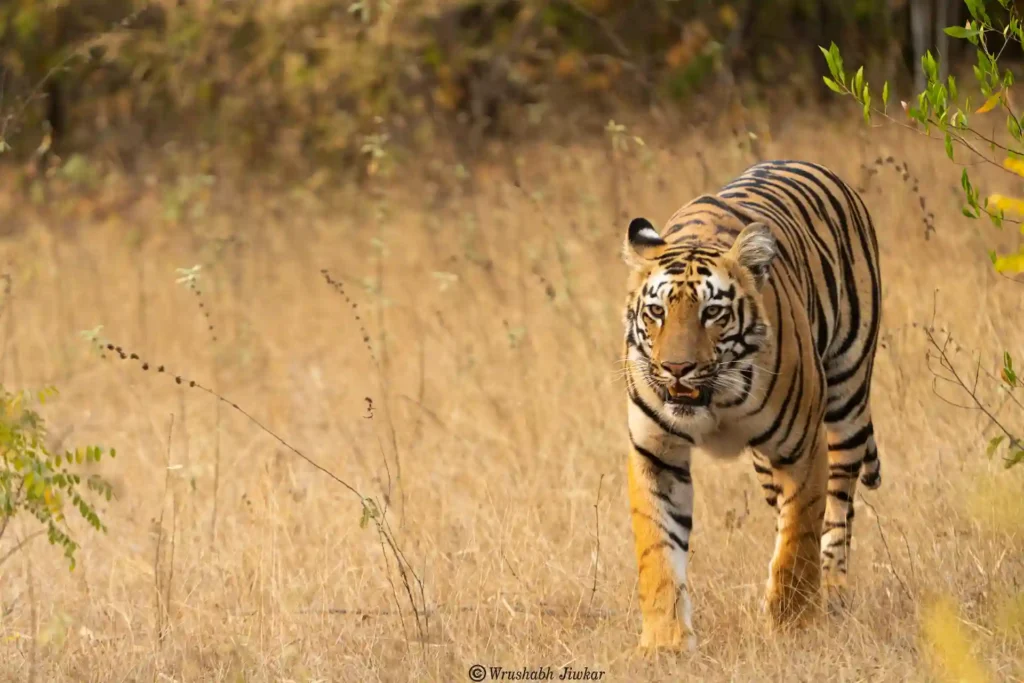
Bandhavgarh National Park is one of the best destinations in India for tiger safari and wildlife sightings. Located in Madhya Pradesh, it is widely known for its high tiger density and frequent encounters. Because of this, wildlife lovers and photographers visit the park throughout the year.
In addition, the forest is home to leopards, deer, wild boars, and many bird species. Moreover, the mix of dense forest and open grassland improves visibility during safaris. As a result, visitors often enjoy a more rewarding wildlife experience compared to other parks.
The Ancient Beginnings
Bandhavgarh is not just about wildlife—it also has a deep historical connection. The famous Bandhavgarh Fort, located inside the park, is believed to be over 2000 years old and linked to Indian mythology. Earlier, this region was used as a hunting ground by the Maharajas of Rewa before being declared a national park in 1968.
Post-Independence Era
After India gained independence in 1947, Bandhavgarh underwent significant changes. The region, which was once a royal hunting ground, transformed into a protected national park.
Formation of the National Park
In 1968, Bandhavgarh was officially declared a national park. This move aimed to preserve its rich biodiversity and historical heritage. Today, Bandhavgarh National Park is one of India’s premier wildlife sanctuaries, attracting visitors from around the globe..
Zones in Bandhavgarh National Park
Bandhavgarh National Park is divided into various zones, each offering unique experiences and opportunities to explore its diverse ecosystem.
Core Zone
Bandhavgarh National Park is divided into several safari zones, each offering a different experience.
To begin with, Tala Zone is the most popular and offers the highest chances of tiger sightings. It also includes key locations like the historic fort.
Furthermore, Magadhi Zone is known for its open landscapes and active wildlife movement. Visitors often report multiple sightings during a single safari.
On the other hand, Khitauli Zone is less crowded and ideal for a quieter jungle experience. Although tiger sightings are possible, this zone is especially good for spotting other wildlife.
Because each zone offers something unique, selecting the right one can significantly improve your safari experience.
Buffer Zone
The buffer zones serve as transitional areas between the core zones and human settlements. These zones are crucial for managing human-wildlife interactions and ensuring the park’s sustainability.
Dhamokhar Zone
The Dhamokhar Zone is a significant buffer area, providing habitat connectivity and supporting various wildlife species. It acts as a protective shield for the core zones.
Johila Zone
The Johila Zone, known for its scenic beauty, features lush forests and water bodies. This zone is a haven for bird watchers and offers a serene environment for wildlife viewing.
Panpatha Zone
The Panpatha Zone, another vital buffer area, is essential for maintaining the ecological balance of the park. It supports diverse flora and fauna and contributes to the overall health of the ecosystem.
DETAILED ITINERARY FOR bandhavgarh TOUR
Day 1
Your journey begins with arrival at Jabalpur, Katni, or Umaria. From here, you will travel towards Bandhavgarh while enjoying scenic village landscapes.
After reaching, take some time to relax at your resort. Later, you will head out for your first jungle safari with an experienced guide.
During the safari, you will explore the forest in search of tigers. Meanwhile, other animals such as deer and langurs can also be spotted.
As a result, every safari becomes a unique experience based on wildlife movement.
Day 2: Morning and Afternoon Safaris
Morning Safari -
Start your day with an early morning Jeep safari. The crisp morning air and the possibility of spotting wildlife make it an exhilarating experience.
Bandhavgarh is renowned for its rich biodiversity. The park is home to a variety of wildlife, offering ample opportunities for sightings.
Bandhavgarh boasts a high tiger density. Keep your eyes peeled for these majestic creatures during your safari.
Apart from tigers, you may encounter leopards, sloth bears, Indian bison, and many other species. Each sighting adds to the excitement of the safari.
Lunch at the Resort -
Return to the resort for a hearty lunch. Share your morning adventures with fellow guests and exchange stories
Afternoon Safari -
The afternoon safari provides another chance to explore different parts of the park. Each safari is a unique journey with new surprises.
Bandhavgarh is a paradise for birdwatchers, with over 200 species. Look out for the crested serpent eagle, honey buzzard, and the elusive paradise flycatcher.
Bring a pair of binoculars and a bird guidebook. Early mornings and late afternoons are the best times for birdwatching in the park.
Day 3: Final Safari and Departure
Morning Jeep Safari -
The final morning safari is a poignant experience. Every sight and sound feels precious as you prepare to bid farewell to Kanha.
Return to Jabalpur -
Embark on your final Jeep safari in the park. Make the most of this last opportunity to immerse yourself in the wild.
After the morning safari, return to the lodge for breakfast. Then, drive back to Jabalpur airport to catch your flight home or to your next destination.
Tour Inclusion
-
Accomodotion in Tadoba on Double Sharing Basis with all Meals
-
04 Exclusive Gypsy Safari
-
All Safari Permit Charges & Gypsy Charges Included
-
Expert Guide & Driver
-
Assistance Throughout Tour
-
All Land Transfer in Air Conditioned Innova / Crysta / Ertiga
Tour Exclusion
-
Transfer from home to home
-
Lens and camera charges.
-
Mobile Phone is Ban in Tadoba
-
Any personal orders and laundry services.
-
Alcoholic beverages and package drinking water
-
Special orders for food by the client
FAQ'S
for BANDHAVGARH Tour
GUEST TESTIMONILAS
With 100% genuine reviews, you can read them here or on Google Maps.